
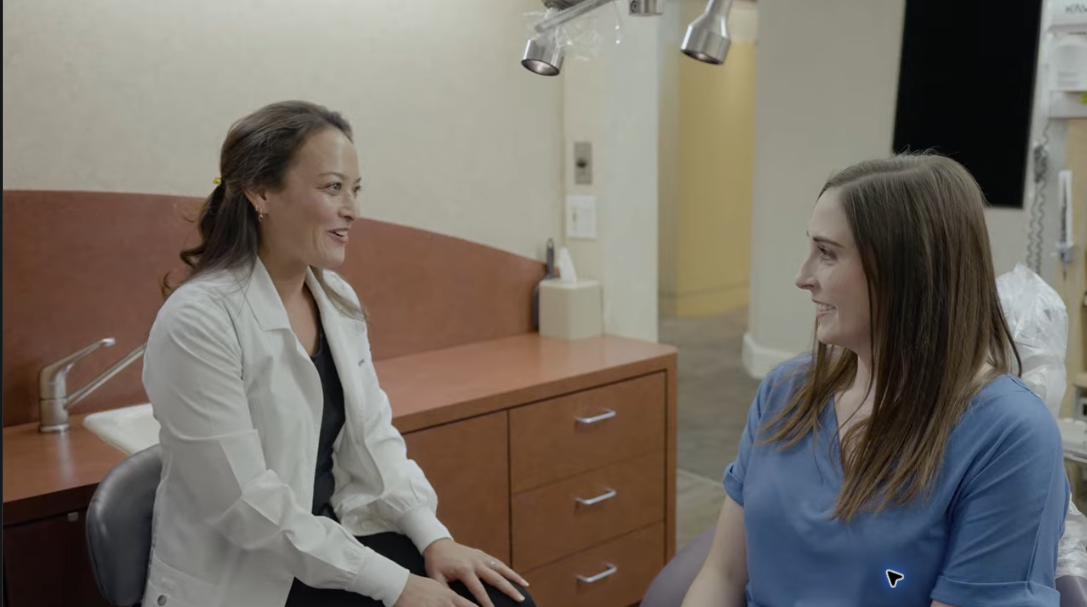
Watch: New Patient Experience
A first dental visit should begin with a conversation. Before recommending treatment, your dentist needs to understand your concerns, health history, past dental experiences, and what you hope to accomplish. A comprehensive dental exam brings that conversation together with a careful evaluation of your teeth, gums, and oral tissues so you can understand what is happening and decide on next steps with your care team.
At 12 Oaks Integrative Dentistry, the goal is to listen first, explain findings in plain language, and build a plan around the individual. Learn more about our comprehensive dental exams and whole-health dentistry.
What happens during a comprehensive dental exam?
The exact visit varies with your needs, history, and any concerns you bring. It may include an interview, an examination of your head and neck and mouth, an evaluation of your teeth and gums, and diagnostic images when they are likely to help answer a clinical question. Your dentist can then explain the findings and discuss options with you. A thorough oral evaluation and updated health history also support assessment of oral tissues, including changes that may need follow-up. [2] A cleaning or treatment may be recommended, but it is not automatically required as part of every first exam.
Part of the visitWhat it helps your dentist understandWhat you can expectConversation and health historyYour goals, symptoms, past dental care, medications, and relevant health factorsTime to describe what matters to you and ask questionsHead, neck, and oral evaluationThe condition of oral tissues, teeth, gums, bite, and other areas relevant to your concernsAn examination explained as it proceeds, with attention to comfortDiagnostic images, when indicatedStructures that cannot be assessed fully by looking aloneImages selected based on your history and exam, not simply because it is your first visitFindings and shared planWhich needs are urgent, which can be monitored, and what prevention may helpA plain-language discussion of choices, timing, and questions still to resolve
Listening comes before treatment
Your experience, comfort, and priorities are useful clinical information. Tell the team what brought you in, what has changed, and whether you have had a difficult dental experience or feel anxious about care. You can also share what helps you feel more at ease. The dentist can explain each step, pause for questions, and discuss whether an adjustment to the visit would help.
Before the examination, your dentist may review your current health conditions, medications, allergies, and relevant dental history. Mention symptoms even if they seem unrelated to a tooth, such as jaw discomfort, dry mouth, or sensitivity. Bring records or recent images from another office if available; your team can decide whether they are useful. This fuller picture helps the dentist consider your care in context without assuming that every health concern has a dental cause.
Why might the exam include dental X-rays?
Dental images can show areas between teeth, below the gumline, or within the jaw that a visual exam cannot fully reveal. They may help evaluate a specific concern or support diagnosis and treatment planning. An image is not automatically needed at every appointment: the decision should be based on your individual history and clinical findings, and existing images may be useful when they are current and appropriate. Ask what the image is intended to show and how the result could affect your care. [1]
From findings to a plan you understand
After the exam, the dentist should review what was observed, what it may mean, and what choices are available. Some findings may call for prompt attention; others may be monitored or addressed through prevention. If treatment is recommended, ask about its purpose, alternatives, timing, expected benefits and risks, and what could happen if you wait. You should have an opportunity to understand the recommendation and make an informed decision.
A useful plan reflects both clinical findings and your preferences. It can identify the next step, explain how follow-up will work, and leave room to revisit questions. If something is unclear, ask the dentist to point out the finding or explain it another way. A visit is a starting point for shared decisions, not a requirement to agree to every proposed procedure that day.
How to prepare for your first visit
- Bring a list of current medications, supplements, allergies, and relevant health conditions.
- Write down your dental concerns, symptoms, and questions so you do not have to remember everything in the moment.
- Request prior dental records or images if they may help the new team understand your history.
- Share any anxiety, sensory needs, or preferences that could make the visit more comfortable.
- Ask the office what forms to complete and whether there is anything specific to bring. Appointment length and intake steps can vary, so confirm those details directly with the team.
Questions you can ask your dentist
- What did you find, and which findings need attention first?
- Why do you recommend this image or treatment for me?
- What are the alternatives, and can any part be monitored?
- What should I expect next, including costs and timing?
- How can I maintain my oral health between visits?
Frequently asked questions
Does a comprehensive dental exam always include X-rays?
No. Your dentist selects images when they are expected to provide useful information for your care. The decision depends on your history, symptoms, examination, and any suitable existing images. [1]
Will I have a cleaning or treatment at the first visit?
It depends on your needs and the office’s process. The exam helps determine whether a cleaning, additional evaluation, or treatment is appropriate. Ask the team what to expect when you schedule.
What if I feel nervous about dental care?
Tell the team before or during your visit. You can discuss what concerns you, ask for explanations, and agree on ways to communicate or pause. Your questions and comfort matter.
A first visit built around understanding
A thoughtful first appointment gives you space to tell your story, learn what the exam found, and take part in decisions about your oral health. To learn more about the team, visit our dentists, or contact 12 Oaks Integrative Dentistry in Austin with questions about scheduling and what to bring.
References
[1] American Dental Association. “X-Rays/Radiographs.” Oral Health Topics. Accessed November 10, 2026.
[2] American Dental Association. “First ADA living guideline reaffirms dental exams crucial to detecting oral cancer early.” ADA News, September 28, 2026.
