
Treat infection or inflammation inside a tooth with root canal therapy designed to relieve the source of the problem and preserve your natural tooth when possible.
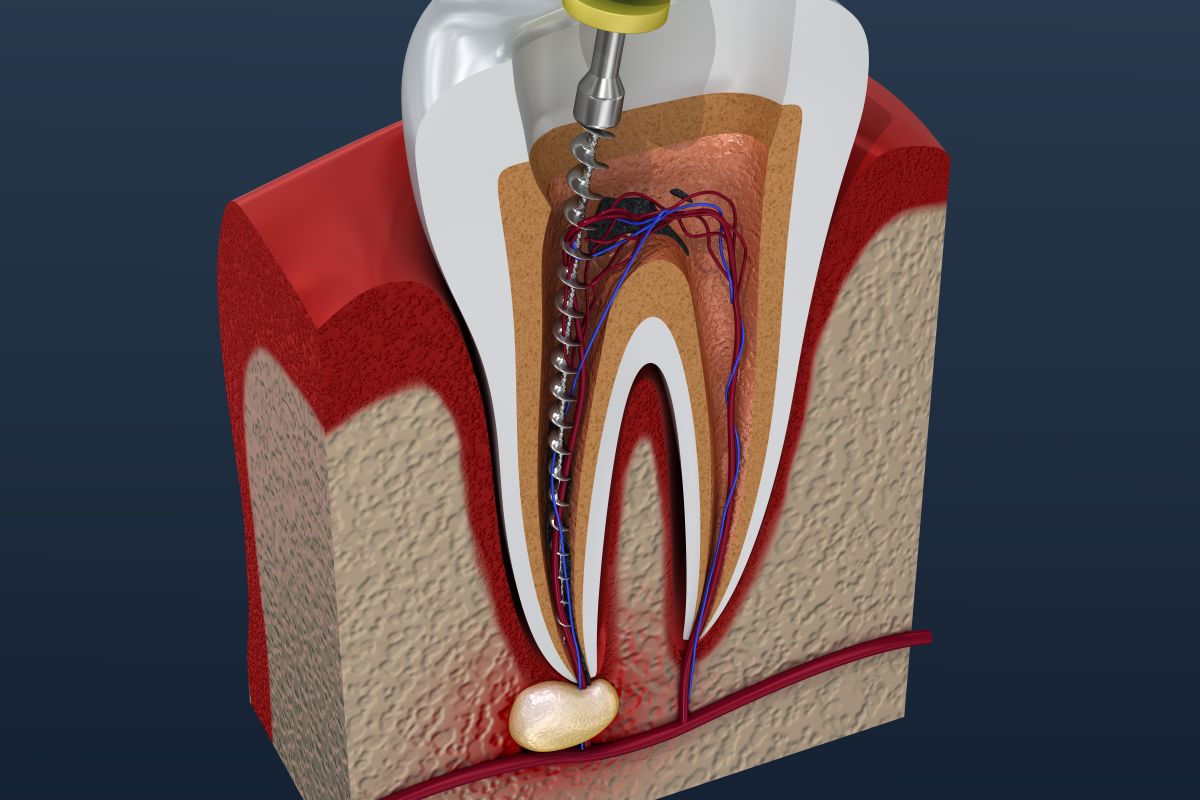
Root canal therapy removes infected or inflamed tissue from inside a tooth, cleans and disinfects the internal canal system, and seals it to prevent further infection — allowing you to keep your natural tooth. A crown is typically placed afterward to protect the treated tooth.
Root canal therapy has a reputation that doesn't match modern practice. We debunk the most common myths in our article root canal therapy myths, debunked — with today's techniques, the procedure is generally no more uncomfortable than getting a filling.
At 12 Oaks, we take root canal therapy seriously as part of a whole-body approach. See more surprising facts about root canals on our blog.
An infected tooth doesn't just cause pain — untreated, it can allow infection to spread. We evaluate the full picture, including your overall health, when discussing root canal therapy with you.

If you're noticing any of the following, it's worth an evaluation.
Ongoing or throbbing pain, especially when biting down, is a common sign of infected pulp.
Lingering sensitivity that continues after the stimulus is removed can indicate nerve involvement.
Swelling in the gums near a tooth, or tenderness to touch, often signals infection.
A tooth that has darkened compared to those around it may indicate internal nerve damage.
A small, recurring bump on the gum near a tooth root can signal a draining abscess.
A crack that has exposed or come close to the nerve can lead to infection.
The preferred option whenever a tooth can be saved — maintains your natural bite and jawbone structure.
Appropriate when a tooth is too damaged to save — but creates a gap that needs implant or bridge replacement.
Most procedures take 60 to 90 minutes, though complex cases may require a second visit.
Digital imaging and an exam confirm whether root canal therapy is the right option.
The area is fully numbed before treatment begins — most patients feel comfortable throughout.
The infected pulp is carefully removed, and the canal system is cleaned and disinfected.
The cleaned canal is filled and sealed with a biocompatible material.
In most cases, a crown is placed afterward to protect and restore full strength.
Root canal therapy carries a lot of internet myths, and some patients come to us anxious about the procedure. At 12 Oaks, we'd rather have the honest conversation than let assumptions decide your treatment.
We'll walk you through exactly what's happening in your specific case, review the alternatives including extraction and implant replacement, and let you make the decision with complete information.
When root canal therapy is the right path, we use biocompatible sealing materials, and if anxiety about the procedure is a concern, we also offer sedation dentistry to keep you comfortable.
Schedule a Complete Health ConsultationTreatment fees vary from person to person because every case is different. Before treatment begins, we explain your options, review any applicable insurance benefits, and provide a clear, personalized estimate so you know what to expect.
11623 Angus Rd, Bldg D, Suite 16, Austin, TX 78759
Near the Arboretum and Domain. Serving Round Rock, Cedar Park, Pflugerville, Brushy Creek, Downtown Austin, Bee Cave, Lakeway, West Lake Hills, and Georgetown.