
If jaw pain, clicking, limited opening, headaches, or tooth wear may be related to TMD, a comprehensive evaluation can help identify contributing factors.
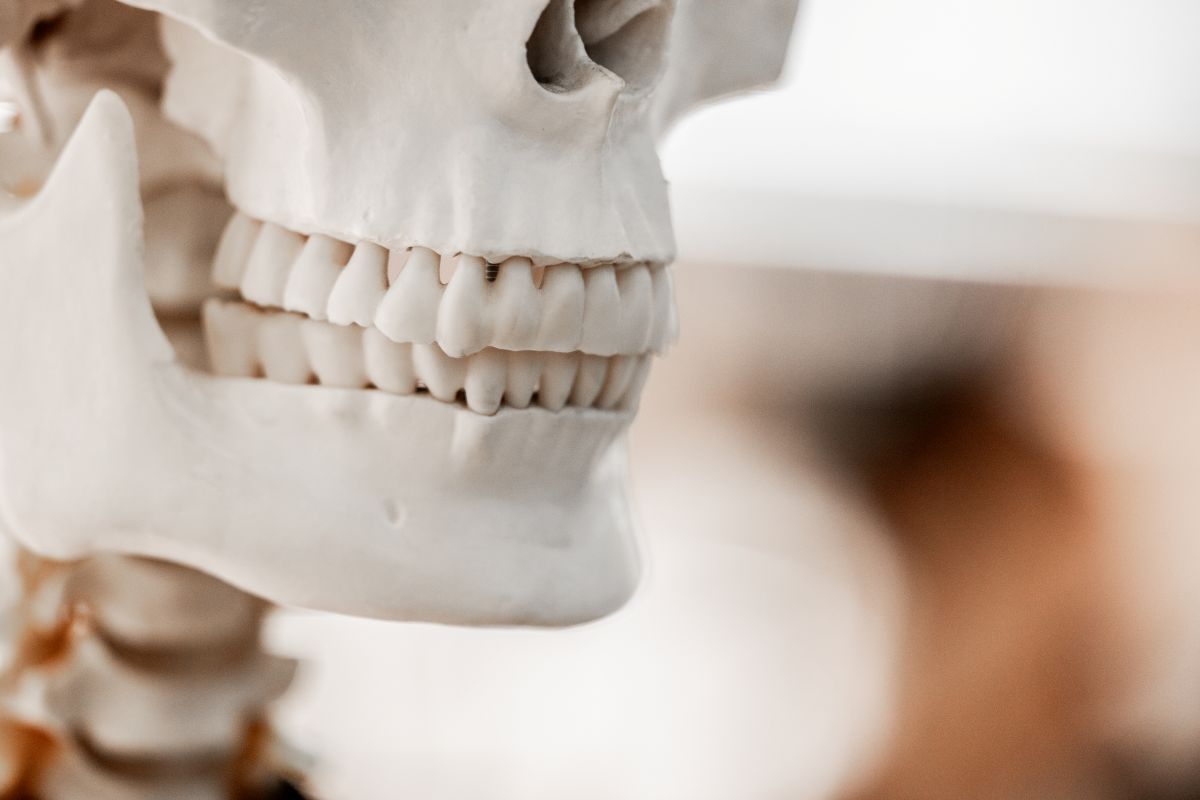
TMD (temporomandibular joint disorder) refers to a group of conditions affecting the jaw joint and the muscles that control jaw movement, often causing pain, clicking or popping, limited jaw movement, and headaches. TMJ is the joint itself — TMD is the disorder that can affect it.
TMD is rarely an isolated problem. It's frequently connected to bite misalignment, nighttime teeth grinding, and — something most general dentists don't evaluate — airway restriction that causes clenching during sleep. Read more in what it means if your jaw gets locked and our earlier post, if you have TMJ in Austin.
At 12 Oaks, TMJ/TMD evaluation is a natural extension of our airway-aware, whole-body approach. See also healthy snoring or dangerous sleep apnea for the airway connection.
When bite mechanics, grinding, muscle tension, or sleep-related factors contribute to TMD symptoms, addressing those factors may be an important part of treatment planning. We evaluate all three together before recommending a treatment path.

If several of these sound familiar, an evaluation is a good next step.
Aching or tenderness in the jaw joint, especially noticeable in the morning or after talking.
Audible clicking, popping, or grinding sensations when opening or closing your mouth.
Tension headaches, especially around the temples, are commonly connected to jaw muscle strain.
Difficulty opening your mouth fully, or your jaw catching or locking in certain positions.
Visible wear from nighttime grinding — see that really grinds my teeth — is often a sign of an underlying issue.
Pain, pressure, or ringing near the ears not explained by an ear infection can be connected to TMJ strain.
A conservative, non-invasive first step for many patients, custom-fitted for your bite.
For patients whose TMD is driven by bite misalignment or airway restriction, a deeper treatment plan may be needed for lasting relief.
We assess jaw function, bite, and airway together — not the joint in isolation.
We assess your jaw joint function, bite alignment, muscle tension, and grinding patterns.
Given the strong connection between airway restriction and clenching, we screen for airway involvement.
Based on what's driving your symptoms, we recommend the appropriate combination of care.
TMD treatment often benefits from follow-up adjustments as symptoms respond.
Jaw pain gets treated in isolation more often than it should. A nightguard can help some patients protect their teeth or reduce strain, but it may not address every factor contributing to jaw symptoms. We evaluate bite, muscle function, and possible sleep or airway concerns when clinically relevant.
At 12 Oaks, TMJ/TMD evaluation is where our airway-aware and restorative philosophies meet directly. We look at your bite mechanics, your jaw muscles, and critically, your airway.
This whole-system approach is exactly why our Complete Health Dentistry philosophy exists: a treatment plan based on the factors identified during your evaluation.
Schedule a Complete Health ConsultationTreatment fees vary from person to person because every case is different. Before treatment begins, we explain your options, review any applicable insurance benefits, and provide a clear, personalized estimate so you know what to expect.
11623 Angus Rd, Bldg D, Suite 16, Austin, TX 78759
Near the Arboretum and Domain. Serving Round Rock, Cedar Park, Pflugerville, Brushy Creek, Downtown Austin, Bee Cave, Lakeway, West Lake Hills, and Georgetown.