
If you want to keep your breath fresh all day, start with the cause — not the mint.
Bad breath, also called halitosis, often begins when bacteria, food debris, plaque, or a dry oral environment allow odor-producing compounds to build up in the mouth.
Brushing, flossing, cleaning your tongue, staying hydrated, and keeping up with professional dental care can make a significant difference. But if bad breath keeps returning even when your oral hygiene is good, it may be time to look for an underlying cause such as gum disease, tooth decay, dry mouth, or another health issue.
At 12 Oaks Integrative Dentistry in Austin, we look at persistent bad breath as information. Instead of simply masking the odor, we want to understand why it keeps happening.
How Do You Keep Your Breath Fresh All Day?
For most people, the best fresh-breath routine is surprisingly simple:
- Brush thoroughly twice a day.
- Clean between your teeth every day.
- Clean your tongue.
- Drink water regularly.
- Keep removable dental appliances clean.
- Use mouthwash strategically rather than relying on it to hide odor.
- Address dry mouth if it is contributing to the problem.
- See your dentist if bad breath is persistent.
The key is consistency.
A mint can make your mouth feel fresher for a few minutes, but it cannot remove tartar, treat gum disease, repair decay, or restore healthy saliva flow.
What Actually Causes Bad Breath?
Most persistent bad breath begins in the mouth.
Common causes include:
- Bacteria on the tongue
- Plaque around the teeth and gums
- Food trapped between teeth
- Gingivitis or periodontal disease
- Tooth decay
- Dry mouth
- Dirty retainers, dentures, nightguards, or other appliances
- Tobacco use
- Foods such as garlic and onions
There are also causes outside the mouth. Tonsil stones, sinus conditions, postnasal drainage, certain medications, acid reflux, and some medical conditions can contribute to unusual or persistent breath odor.
That is why chronic bad breath deserves more attention than simply buying stronger mouthwash.
Why Does Bacteria Make Your Breath Smell?
Your mouth naturally contains many types of bacteria. Having oral bacteria is normal.
The issue is what happens when certain bacteria accumulate in places where food particles, dead cells, plaque, and other debris are available for them to break down.
During this process, some oral bacteria produce odor-causing compounds, including volatile sulfur compounds.
These bacteria frequently accumulate:
- On the back of the tongue
- Between teeth
- Around the gumline
- Inside periodontal pockets
- Around dental restorations that are difficult to clean
This is why fresh breath involves more than brushing the front surfaces of your teeth.
Clean Your Tongue If You Want Fresher Breath
The tongue is one of the most commonly overlooked sources of bad breath.
Its textured surface contains grooves and papillae where bacteria and debris can collect, particularly toward the back of the tongue.
You can clean your tongue with:
- A tongue scraper
- A toothbrush with a tongue-cleaning surface
- Your regular toothbrush used gently from back to front
You do not need to scrape aggressively. Gentle, regular cleaning is the goal.
If you consistently brush your teeth but never clean your tongue, adding this one step may noticeably improve breath freshness.
Brush Twice a Day — But Make Sure You Are Brushing Effectively

Brushing twice a day helps remove plaque, bacteria, and food debris before they have a chance to accumulate.
Pay particular attention to the gumline and back teeth, where plaque can easily be missed.
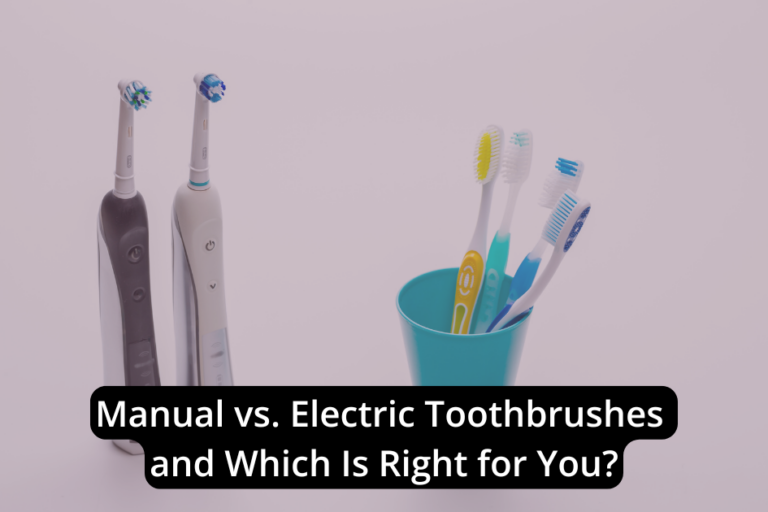
Whether you use a manual or electric toothbrush is less important than using it correctly and consistently. The right toothbrush should allow you to clean thoroughly without applying excessive pressure to your teeth or gums.
Most importantly, do not rush.
A quick 30-second brush before leaving the house is unlikely to clean the areas where odor-causing plaque is accumulating.
Flossing Can Make a Big Difference in Bad Breath
If food gets trapped between your teeth, brushing alone may not remove it.
That material can remain between teeth while bacteria break it down, creating odor even when the visible surfaces of your teeth look clean.
Clean between your teeth at least once a day using the method that works best for your mouth. Depending on your needs, that may include:
- Traditional dental floss
- Floss picks
- Interdental brushes
- A water flosser
If floss has a strong odor after passing between certain teeth, or if the same area consistently bleeds, mention it at your next dental evaluation.
It may indicate plaque accumulation or inflammation that deserves attention.
Can Gum Disease Cause Persistent Bad Breath?
Yes.
Persistent bad breath can be one symptom of gingivitis or periodontal disease.
When gum disease progresses, spaces called periodontal pockets can develop around the teeth. Bacteria and debris can collect within those pockets where normal brushing and flossing cannot adequately reach them.
Other warning signs may include:
- Bleeding when brushing or flossing
- Red or swollen gums
- Receding gums
- Loose teeth
- Changes in your bite
- A persistent bad taste
- Bad breath that repeatedly returns
If these sound familiar, read our guide to the stages of gum disease.
A professional periodontal evaluation can determine whether gum inflammation is contributing to the odor.
Why Dry Mouth Can Make Your Breath Smell Worse
Saliva is one of your mouth’s natural cleaning systems.
It helps wash away food particles, dilute acids, lubricate oral tissues, and maintain a healthier oral environment.
When saliva production decreases, bacteria and odor-producing debris can accumulate more easily.
This is why bad breath is common first thing in the morning. Saliva flow naturally drops while you sleep, and it may decrease even more if you breathe through your mouth at night.
Chronic dry mouth can also be associated with:
- Medications
- Dehydration
- Tobacco use
- Alcohol
- Some medical conditions
- Reduced salivary gland function
- Mouth breathing
If your mouth regularly feels dry or sticky, freshening your breath may require addressing the dryness itself.
Our guide From Dryness to Decay explains why saliva is so important to both breath and dental health.
Why Is Morning Breath So Common?
Morning breath does not necessarily mean something is wrong.
Saliva production naturally decreases overnight. With less saliva washing the mouth, bacteria have more opportunity to produce odor-causing compounds.
Mouth breathing can make the effect stronger because airflow dries oral tissues even further.
To help reduce morning breath:
- Brush thoroughly before bed
- Floss before sleeping
- Clean your tongue
- Stay adequately hydrated throughout the day
- Keep retainers and nightguards clean
If your mouth feels extremely dry every morning, or you regularly wake with other symptoms such as snoring or mouth breathing, mention those symptoms during your dental evaluation as well.
Does Mouthwash Get Rid of Bad Breath?
It depends on why your breath smells.
Some mouthwashes simply provide a temporary flavor or scent that masks odor. Others contain antimicrobial ingredients intended to reduce bacteria.
Neither type replaces brushing, flossing, tongue cleaning, or professional treatment when dental disease is present.
If you have frequent dry mouth, an alcohol-free rinse may be preferable because products containing alcohol can feel drying for some people.
Your dentist or hygienist can recommend a product based on what is actually causing your bad breath.
Can Drinking More Water Improve Your Breath?
It can, particularly when mild dehydration or dry mouth is contributing to the problem.
Water helps:
- Rinse away loose food debris
- Support a moist oral environment
- Reduce the dry feeling that allows odor to become more noticeable
Water does not substitute for brushing and flossing, but staying hydrated is one of the simplest habits you can use throughout the day to support fresher breath.
Can Sugar-Free Gum Help?
Sugar-free gum can be useful when you cannot brush immediately after eating.
Chewing stimulates saliva flow, which can help rinse the mouth and reduce dryness.
Look for sugar-free products rather than gums or mints containing sugar, particularly if you are using them frequently throughout the day.
Again, gum is a useful supporting tool — not a treatment for periodontal disease, cavities, or chronic dry mouth.
What Foods Help Keep Your Breath Fresh?

No food can replace proper oral hygiene, but some choices are friendlier to fresh breath than others.
Water-rich and crunchy foods such as apples, carrots, celery, and other fruits and vegetables can stimulate saliva and help clear loose food particles from the mouth.
Sugar-free gum can provide a similar saliva-stimulating effect after meals.
On the other hand, some foods naturally affect breath even when your mouth is perfectly healthy.
Garlic, onions, and certain spices contain compounds that can enter the bloodstream after digestion and later be released through the lungs. In those cases, brushing may improve the mouth itself but cannot immediately eliminate every odor-causing compound.
Why Does My Breath Still Smell After I Brush?
If you are brushing regularly and still have bad breath, the toothbrush may not be reaching the actual cause.
Possibilities include:
- Bacteria on the tongue
- Food and plaque between the teeth
- Gum disease
- A cavity
- A leaking or difficult-to-clean restoration
- Dry mouth
- An unclean retainer, denture, or nightguard
- Tonsil stones
- Sinus or throat issues
- Reflux or another medical condition
This is where an examination becomes more useful than trying another toothpaste.
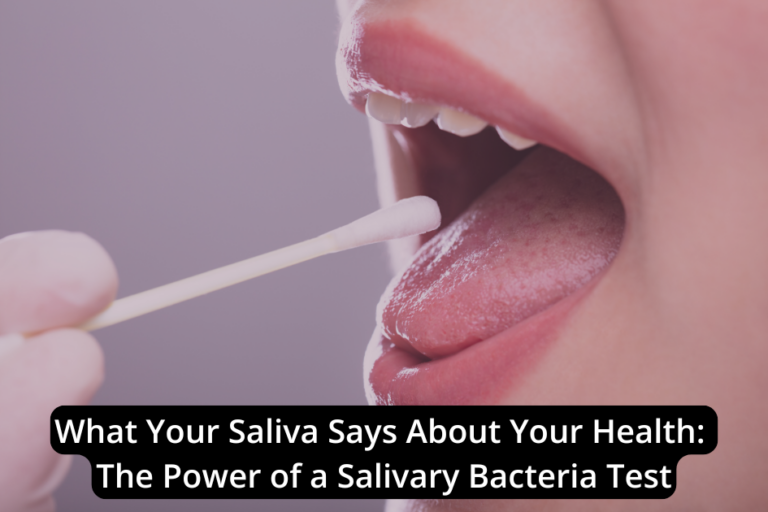
Can Oral Bacteria Testing Help With Persistent Bad Breath?
Sometimes we want additional information about the bacterial environment in the mouth, particularly when periodontal inflammation or recurring oral health problems are present.
At 12 Oaks, salivary testing may be considered when the information could help us better understand a patient’s oral health.
It is not a stand-alone test that diagnoses the cause of bad breath, but it can sometimes provide additional information when interpreted alongside a dental and periodontal examination.
You can read more in our guide to salivary bacteria testing.
How to Keep Your Breath Fresh at Work or Throughout the Day
If your breath is generally healthy and you simply want to maintain freshness between your morning and evening routines, try this:
- Start the day with thorough brushing and tongue cleaning
- Floss at least once daily
- Keep a water bottle nearby
- Rinse your mouth with water after meals
- Use sugar-free gum when brushing is not practical
- Limit tobacco use
- Keep removable appliances clean
- Brush again before bed
If you know you are eating garlic, onions, or other strong-smelling foods, remember that some odor may continue until your body has processed those foods.
When Should Bad Breath Be Checked by a Dentist?
Occasional bad breath after waking up or eating certain foods is common.
Persistent bad breath is different.
Consider scheduling an evaluation if:
- Your breath remains unpleasant despite consistent brushing, flossing, and tongue cleaning
- You have bleeding or swollen gums
- You notice a persistent bad taste
- Your mouth is chronically dry
- You have tooth pain or sensitivity
- You have not had a dental examination or cleaning recently
- Someone regularly notices bad breath even when you cannot
Your dentist can look for common oral causes such as plaque buildup, gum disease, tooth decay, dry mouth, and problems with existing restorations.
If your mouth appears healthy and the odor continues, you may be advised to discuss other possible causes with your physician or another appropriate healthcare provider.
Preventing Bad Breath Starts With Preventive Dental Care
Fresh breath is usually a side effect of a healthy oral environment rather than something created by a mint.
Regular preventive visits allow us to remove tartar that cannot be brushed away at home and look for conditions that may contribute to chronic odor before they become larger problems.
At 12 Oaks Integrative Dentistry, our preventative and family dental care includes comprehensive exams, professional cleanings, gum health evaluation, and personalized recommendations based on your individual risks.
When appropriate, we also look at factors such as saliva, dry mouth, airway health, oral bacteria, and other patterns that can influence what is happening in your mouth.
Frequently Asked Questions About Fresh Breath and Halitosis
What is halitosis?
Halitosis is the clinical term for persistent bad breath. It can result from oral bacteria, plaque, gum disease, dry mouth, food, tobacco, dental disease, or conditions outside the mouth.
How can I get fresh breath quickly?
For temporary freshness, brush your teeth, clean your tongue, floss if food is trapped between your teeth, drink water, and consider sugar-free gum. If bad breath repeatedly returns, focus on identifying the underlying cause rather than continually masking the odor.
How do I keep my breath fresh all day?
Brush twice daily, clean between your teeth once a day, clean your tongue, stay hydrated, keep dental appliances clean, use sugar-free gum when helpful, and maintain regular professional dental care.
Why does my breath smell even after brushing?
The odor may be coming from an area brushing does not reach, such as the tongue, between the teeth, below the gumline, or around a dental restoration. Dry mouth and non-dental conditions can also contribute.
Does tongue scraping help bad breath?
It can. Bacteria and debris commonly accumulate on the tongue, particularly toward the back. Gentle tongue cleaning with a scraper or toothbrush can help reduce this buildup.
Does mouthwash cure bad breath?
No single mouthwash can address every cause of bad breath. Some rinses reduce oral bacteria while others primarily mask odor. Gum disease, decay, dry mouth, and other underlying problems require appropriate treatment.
Can gum disease make your breath smell?
Yes. Periodontal pockets can harbor bacteria that contribute to persistent odor. Bleeding gums, recession, swelling, tooth mobility, or ongoing bad breath are reasons to have your gums evaluated.
Can dry mouth cause bad breath?
Yes. Reduced saliva means less natural cleansing of the mouth. This can allow food debris and odor-producing bacteria to accumulate more easily.
Why is my breath worse in the morning?
Saliva flow decreases during sleep, allowing bacteria to become more concentrated. Mouth breathing can further dry the mouth and make morning breath more noticeable.
Should I see a dentist for bad breath?
If the odor continues despite good home care, yes. A dentist can evaluate for common oral causes. If no dental cause is found, another healthcare professional may need to evaluate non-dental possibilities.
Persistent Bad Breath? Find the Cause Instead of Masking It
If you occasionally notice bad breath after coffee, garlic, or waking up, a good oral hygiene routine may be all you need.
If the odor keeps returning, however, your mouth may be telling you something worth investigating.
At 12 Oaks Integrative Dentistry, we can evaluate your teeth, gums, saliva, oral hygiene, and other factors that may be contributing to persistent bad breath.
Schedule a visit with our Austin dental team and let us help you figure out what is behind the problem.